A donor‑focused human‑interest story highlighting UNICEF’s impact and value for money
When Fatima carried her two‑year‑old son Ahmed into the PHC clinic in Shattaya, she feared she was too late. Months of displacement had left the family without food, without health care, and without certainty. Ahmed had grown weak and silent—signs no mother ever wants to see.
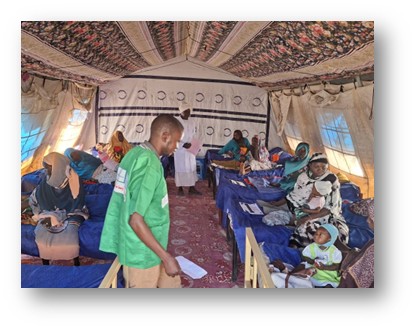
Inside the clinic, Fatima found what she had been desperately searching for: trained health workers, essential medicines, and a system ready to support her child. This was possible because UNICEF ensured that “37 primary healthcare facilities (PHCCs)—including 4 mobile clinics—provided free, essential services…” across South Darfur.
UNICEF’s Investment, Ahmed’s Second Chance
A simple MUAC measurement confirmed that Ahmed was suffering from Severe Acute Malnutrition. Thanks to UNICEF‑funded CMAM services, he was immediately enrolled in treatment and provided with therapeutic food—completely free of charge.
Ahmed is one of 4,723 children admitted for SAM treatment this quarter. Community‑based treatment—supported by UNICEF—costs only a fraction of inpatient care, making it one of the most cost‑effective, high‑impact interventions in humanitarian health.
UNICEF’s Support Reaches Entire Communities
UNICEF’s investment didn’t just save Ahmed—it strengthened the entire health and nutrition system:
- 470,876 women and children accessed primary health care services.
- 100,780 children were screened for malnutrition.
- 60,020 children and 13,333 PLW were reached through integrated campaigns.
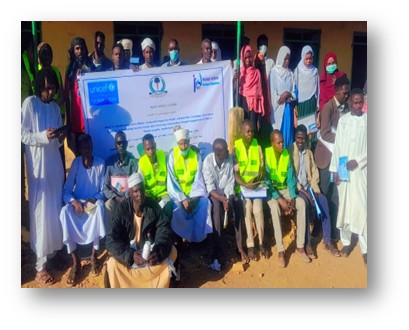
- 44 Mother Support Groups and 50 Community Nutrition Volunteers were trained and activated.
These results demonstrate UNICEF’s commitment to scalable, efficient, and community‑driven programming—ensuring every dollar delivers maximum impact.
Reaching the Hardest‑to‑Reach, Because UNICEF Makes It Possible
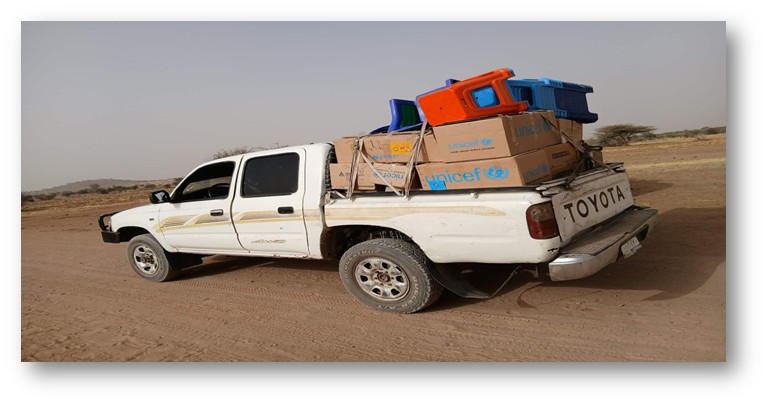
In remote areas like East Jabal Marra, where insecurity and distance often block access to care, UNICEF‑supported mobile clinics travel long distances to reach families like Fatima’s. These clinics provide vaccinations, antenatal care, nutrition screening, and treatment—services that would otherwise be out of reach.
This approach ensures equitable access, even for the most isolated communities.
A Partnership That Changes Lives
For Fatima, UNICEF’s support meant more than medical treatment—it meant hope. As she left the clinic with Ahmed’s RUTF supply, she whispered, “You gave me back my child.”
For UNICEF, her words reflect the true return on investment: a healthier child, a stronger community, and a future that would not have been possible without UNICEF’s leadership and generosity.